Full-Scale Climate Control Solutions: Preserve Your Home Comfortable Every Season
Detailed air conditioning services serve a vital purpose in maintaining a comfortable home year-round. Routine upkeep not only enhances system efficiency but also helps in detecting possible problems before they worsen. Homeowners regularly underestimate the value of expert setup and timely repairs. Grasping these components can substantially impact comfort levels and energy efficiency. What are the important considerations to assess for optimal air conditioning operation?
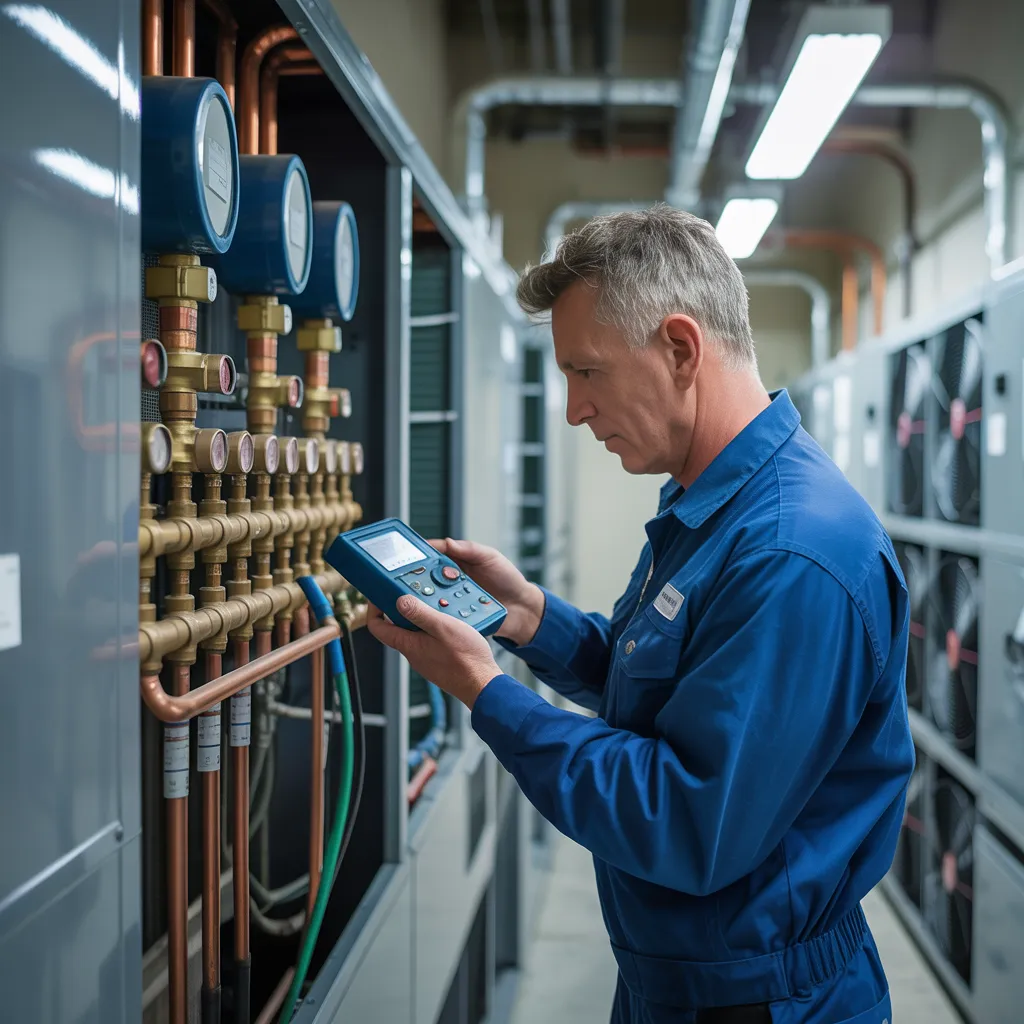
The Value of Routine Air Conditioning Maintenance
Regular air conditioning upkeep plays an vital role in guaranteeing peak operation and durability of HVAC systems. Regular checks and servicing help to identify potential issues before they escalate into expensive repairs. By replacing filters, monitoring refrigerant levels, and inspecting electrical components, maintenance tasks can greatly improve the performance of the system.
Also, consistent servicing enhances energy savings, as a well-maintained air conditioner functions more productively, reducing electricity bills. Additionally, it helps maintain indoor air quality by minimizing dust and allergens traveling in the home.
Failing to maintain your system can lead to reduced performance, elevated energy consumption, and a shortened lifespan for the system. As a result, implementing routine maintenance routines not only protects comfort but also confirms that the air conditioning unit performs optimally throughout its working years. Ultimately, focusing on maintenance is a preventive strategy that works to protect both the equipment and the well-being of its residents.
How to Determine When Your AC Requires Service?
Knowing when an AC device needs repair is critical for maintaining comfort. Unusual noises might signal concealed mechanical defects, and inconsistent temperature output may helpful resource suggest a impaired system. Early recognition of these indicators can stop extra damage and secure efficient operation.
Strange Sounds From Unit
Odd noises from an air conditioning unit can signal problems that require immediate focus. Typical noises comprise rattling, which may suggest loose components, and hissing, possibly exposing refrigerant leakage. A grinding sound often suggests worn-out bearings or motors, while a high-pitched squeal could indicate a failing compressor. Each of these noises serves as a warning that something is amiss, necessitating a professional inspection. Ignoring these auditory cues might lead to more substantial damage and costly repairs. Property owners should remain vigilant and tackle any strange sounds promptly to maintain the unit's efficiency and longevity. Identifying these warning signs can prevent further complications and guarantee a comfortable living environment.
Variable Temperature Generation
Strange sounds from an air conditioning unit can often indicate problems, but inconsistent temperature output is another significant warning sign that repair may be necessary. Homeowners may notice that some rooms remain too warm while others are unusually cold, suggesting that the system is struggling to distribute air evenly. This inconsistency can stem from various issues, including a malfunctioning thermostat, blocked ducts, or refrigerant leaks. Additionally, dirty filters may hinder airflow, exacerbating temperature discrepancies. To address these concerns, routine maintenance checks are crucial. Homeowners should monitor their unit’s performance and seek professional assistance when inconsistencies arise. Timely intervention can prevent further damage and guarantee the air conditioning system operates efficiently, preserving comfort throughout the home year-round.
How to Choose the Best Air Conditioning Unit for Your Needs
Choosing the finest air conditioning system demands a meticulous assessment of various essential factors. Examining environmental specifications, taking into account fuel performance marks, and reviewing setup and servicing requirements are vital procedures in this process. By focusing on these factors, individuals can achieve an well-researched choice that most ideally matches their space and spending constraints.
Analyze Your Space Specifications
When evaluating space needs, understanding the unique features of a residence or workplace is crucial for selecting the ideal air conditioning system. Elements such as square footage, ceiling height, and insulation quality directly influence the system's effectiveness. Furthermore, the layout of the space—considering open areas versus divided spaces—affects air circulation. Homes with large windows or direct sunlight may need more cooling capacity, while shaded or smaller spaces may need less. It is also vital to evaluate the number of occupants, as human activity generates heat, impacting cooling needs. By thoroughly examining these elements, individuals can choose a system that guarantees maximum comfort and efficiency customized to their specific environment.
Evaluate Fuel Economy Ratings
How can one guarantee ideal comfort while reducing energy costs? The answer lies in considering energy efficiency ratings when selecting an air conditioning system. These ratings, such as SEER (Seasonal Energy Efficiency Ratio) and EER (Energy Efficiency Ratio), provide valuable insights into the system's performance. Higher ratings suggest improved efficiency, resulting in lower energy bills and a decreased environmental impact.
Homeowners should prioritize units with a high SEER rating, as these models can considerably decrease energy usage over time. Additionally, evaluating the energy efficiency of different systems can help determine the best option for specific needs. Overall, making informed choices based on energy efficiency ratings can lead to long-term cost reductions and enhanced comfort in the home.
Assess Setup and Upkeep
Assessing installation and maintenance aspects is important for homeowners hoping to find the best air conditioning system. Correct installation ensures maximum performance and longevity, whereas poor installation can result in inefficiencies and expensive repairs. Homeowners should explore professional installation services with a reliable history to guarantee compliance with local codes and manufacturer instructions. Moreover, maintenance needs significantly impact the system's lifespan. Evaluating how accessible components are for regular servicing can shape the decision. Systems requiring less frequent upkeep or featuring convenient elements, like washable filters, might be better choices. In the end, a properly installed and easily maintainable air conditioning system enhances comfort and lowers long-term expenses for homeowners.
Skilled Air Conditioning Setup: Its Importance
While some may deem DIY installation as a thrifty selection, expert cooling system installation is vital in upholding equipment performance and service life. Certified technicians display the proficiency to assess the particular cooling needs of a home, selecting the ideal unit scale and design. Sound setup minimizes the risk of recurring issues such as loss of coolant, insufficient air distribution, and substandard coolant volumes, all of which can cause increased utility spending and lessened comfort.
Moreover, experienced professionals comply with local codes and regulations, guaranteeing safety and compliance. They also provide warranties on both the installation and the equipment, delivering peace of mind for homeowners. With their expertise, technicians can detect potential problems early, avoiding costly repairs down the line. Ultimately, investing in professional installation not only improves comfort but also prolongs the lifespan of the air conditioning system, making it a wise choice for any homeowner.
What to Do When You Need Emergency AC Assistance?
Confronting a unexpected air conditioning failure can be overwhelming, especially during sweltering summer months. When such an situation arises, the first step is to assess the situation. Homeowners should check the thermostat preferences and confirm that the unit is receiving power. If the issue continues, it is advisable to turn off the system to prevent further harm.
Next, contacting a professional HVAC technician is vital. Seeking emergency services is crucial, as they possess the expertise to diagnose and resolve issues quickly. Homeowners should provide detailed information about the problem to facilitate efficient service.
While awaiting assistance, keeping windows and doors shut can aid in maintaining a cooler indoor environment. Additionally, employing fans can improve air circulation. Finally, keeping a list of trusted HVAC professionals on hand can lessen stress in future emergencies, guaranteeing prompt and effective care whenever needed.
Methods to Improve Your HVAC Efficiency
After addressing an emergency AC situation, homeowners may explore methods to boost their HVAC performance. Consistent maintenance, comprising filter changes and system inspections, plays an essential role in maximizing output. Clean filters allow for enhanced airflow, reducing energy consumption. Additionally, sealing ductwork prevents air leaks, ensuring that conditioned air reaches its intended destination.
Investing in a smart thermostat can also result in substantial energy savings. This device allows residents to create customized schedules, adjusting climate conditions based on room usage. Moreover, ensuring adequate insulation in wall cavities and attic spaces minimizes heat transfer, contributing to a more consistent interior climate.
Finally, switching to energy-efficient models, such as those with high SEER ratings, can greatly improve overall performance. By implementing these strategies, homeowners can not only enhance comfort but also lower energy costs, making their HVAC systems more effective throughout the year.
Popular Questions Asked Often
How regularly Do I Need to replace My Air Filter?
Air filters should typically be replaced every one to three months, based on usage and environmental factors. Routine upkeep ensures peak air quality and system efficiency, extending the lifespan of the air conditioning unit.
What Affects the Lifespan of an Air conditioning system?
An air conditioning unit typically operates between 12 to 15 years. Factors such as upkeep, usage, and installation quality can influence this lifespan, demanding prompt replacement to ensure peak performance and efficiency.
Can I Put in an AC Unit On my own?
It's possible to install an AC system independently, but it demands professional expertise and proper equipment. Mistakes can produce poor operation or safety hazards, so many recommend retaining an expert for ideal installation and performance.
How Can You Recognize Signs of Poor Indoor Air Quality?
Evidence of poor indoor air quality involves stubborn odors, elevated allergic symptoms, visible mold growth, excessive dust accumulation, and erratic humidity levels. These signals demonstrate the need for improved ventilation and air purification measures.
In What Ways Does Humidity Influence Air Conditioning Performance?
High humidity notably affects air conditioning performance by causing systems to work harder to control temperature and moisture levels. High humidity can reduce efficiency, leading to increased energy consumption and potential stress on the unit.